
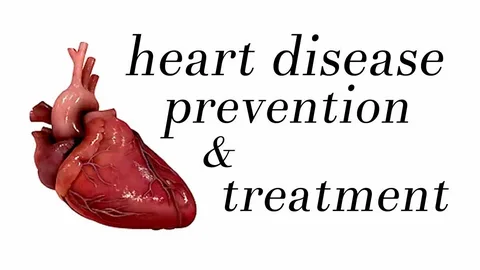
Heart disease, often referred to as cardiovascular disease (CVD), is a term that encompasses a variety of conditions affecting the heart and blood vessels. It is the leading cause of death globally, responsible for millions of lives lost each year. Despite its prevalence, heart disease is often preventable through lifestyle changes, early detection, and proper management. This article delves into the types, causes, symptoms, and preventive measures of heart disease, empowering readers to take control of their cardiovascular health.
What is Heart Disease?
Heart disease refers to a group of conditions that impair the heart’s ability to function effectively. The most common types include:
- Coronary Artery Disease (CAD): The buildup of plaque in the coronary arteries, which supply blood to the heart. This can lead to chest pain (angina), heart attacks, or heart failure.
- Heart Failure: A condition where the heart cannot pump blood efficiently, causing fatigue, shortness of breath, and fluid retention.
- Arrhythmias: Irregular heartbeats that can be too fast, too slow, or erratic, potentially leading to complications like stroke.
- Valvular Heart Disease: Damage to one or more of the heart’s valves, affecting blood flow.
- Congenital Heart Disease: Structural heart defects present from birth.
Each type of heart disease has its own set of causes and symptoms, but many share common risk factors and preventive strategies.
Causes and Risk Factors of Heart Disease
Heart disease is often the result of a combination of genetic, lifestyle, and environmental factors. Key risk factors include:
- Unhealthy Diet: Diets high in saturated fats, trans fats, salt, and sugar contribute to high cholesterol, high blood pressure, and obesity—all of which increase the risk of heart disease.
- Physical Inactivity: A sedentary lifestyle weakens the heart and blood vessels, making them less efficient.
- Smoking and Tobacco Use: Smoking damages blood vessels, reduces oxygen in the blood, and accelerates plaque buildup in arteries.
- High Blood Pressure (Hypertension): Persistent high blood pressure forces the heart to work harder, increasing the risk of heart attack, stroke, and heart failure.
- High Cholesterol: Elevated levels of LDL (bad cholesterol) lead to plaque formation in arteries, restricting blood flow.
- Diabetes: High blood sugar levels damage blood vessels and nerves, increasing the risk of heart disease.
- Obesity: Excess weight strains the heart and is often linked to other risk factors like diabetes and hypertension.
- Stress and Mental Health: Chronic stress, anxiety, and depression can lead to unhealthy behaviors and directly impact heart health.
- Family History: A family history of heart disease can increase an individual’s risk, especially if a close relative developed it at a young age.
- Age and Gender: The risk of heart disease increases with age, and men are generally at higher risk earlier in life, though women’s risk rises after menopause.
Symptoms of Heart Disease
The symptoms of heart disease vary depending on the specific condition but may include:
- Chest pain or discomfort (angina)
- Shortness of breath
- Fatigue or weakness
- Swelling in the legs, ankles, or feet (edema)
- Irregular heartbeat (arrhythmia)
- Dizziness or lightheadedness
- Nausea or vomiting
It’s important to note that some individuals, particularly women, may experience atypical symptoms such as jaw pain, back pain, or extreme fatigue. If you experience any of these symptoms, seek medical attention immediately.
Prevention: Protecting Your Heart Health
The majority of heart disease cases are preventable through lifestyle modifications and early intervention. Here are some key strategies to reduce your risk:
- Eat a Heart-Healthy Diet:
- Focus on fruits, vegetables, whole grains, lean proteins, and healthy fats.
- Limit processed foods, sugary snacks, and excessive salt.
- Incorporate omega-3 fatty acids (found in fish, nuts, and seeds) to support heart health.
- Stay Physically Active:
- Aim for at least 150 minutes of moderate-intensity exercise per week, such as brisk walking, cycling, or swimming.
- Include strength training exercises to improve overall cardiovascular fitness.
- Quit Smoking:
- Smoking is one of the most significant risk factors for heart disease. Seek support to quit and avoid secondhand smoke.
- Manage Stress:
- Practice relaxation techniques such as meditation, yoga, or deep breathing.
- Prioritize mental health and seek professional help if needed.
- Maintain a Healthy Weight:
- Achieve and maintain a healthy weight through a balanced diet and regular exercise.
- Monitor Blood Pressure and Cholesterol:
- Regularly check your blood pressure and cholesterol levels. If they are high, work with your healthcare provider to manage them.
- Limit Alcohol Consumption:
- If you drink alcohol, do so in moderation (up to one drink per day for women and two for men).
- Get Regular Checkups:
- Routine screenings can help detect risk factors early and prevent heart disease.
Advances in Treatment and Management
Medical advancements have revolutionized the treatment of heart disease. Depending on the type and severity of the condition, treatment options may include:
- Medications: Statins, beta-blockers, ACE inhibitors, and antiplatelet drugs can help manage cholesterol, blood pressure, and heart function.
- Lifestyle Changes: Diet, exercise, and stress management remain foundational to treatment.
- Medical Procedures: Angioplasty, stent placement, or bypass surgery may be necessary to restore blood flow to the heart.
- Cardiac Rehabilitation: A supervised program that includes exercise, education, and counseling to help patients recover and reduce the risk of future heart problems.
The Importance of Awareness and Early Action
Heart disease is often called a “silent killer” because it can develop without obvious symptoms. Regular health checkups, awareness of risk factors, and early intervention are crucial to preventing and managing this condition. By adopting a heart-healthy lifestyle and seeking medical advice when needed, individuals can significantly reduce their risk of heart disease and improve their overall quality of life.
Conclusion
Heart disease is a formidable health challenge, but it is not insurmountable. With the right knowledge, lifestyle changes, and medical support, you can take control of your heart health and reduce your risk. Remember, your heart is the engine that keeps your body running—treat it with care, and it will reward you with a longer, healthier life.
If you have concerns about your heart health, don’t wait. Consult a healthcare professional today and take the first step toward a healthier future.